
What Is Acupuncture?
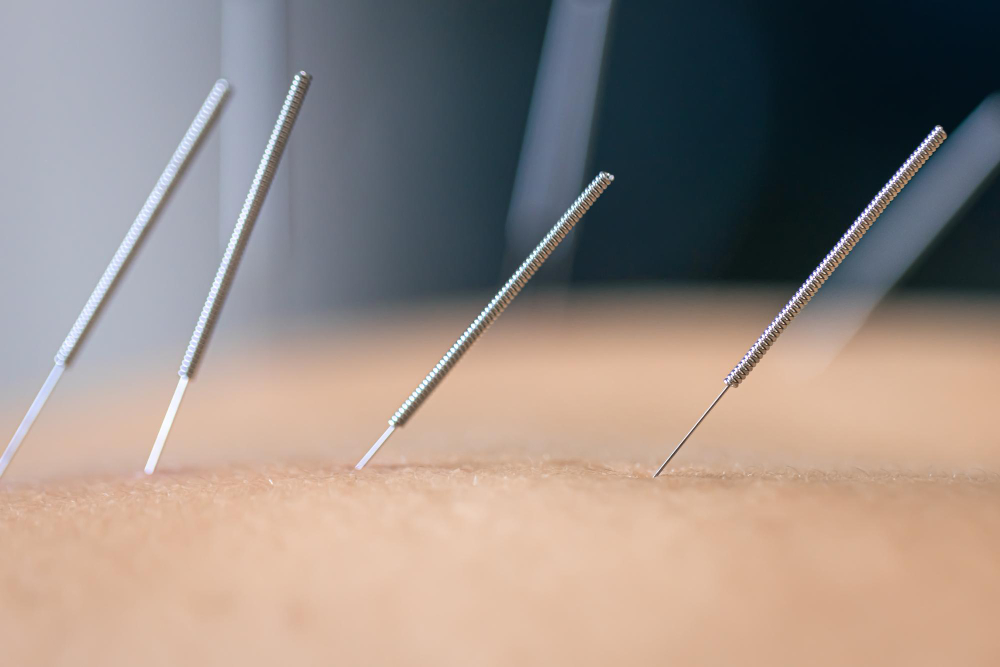
Acupuncture is an ancient healing practice from China. It involves placing very thin needles into specific points on the body. Many people use acupuncture for pain relief, stress, and overall wellness. Today, more people are exploring acupuncture for boosting immunity. This natural method is gaining attention as a way to support the immune system and improve health.
How Acupuncture May Boost Immunity
But how does acupuncture improve the immune system? Research suggests that acupuncture may help balance the body’s natural defenses. For example, studies show it can increase the activity of certain immune cells, like white blood cells. These cells help fight off infections and keep you healthy. In addition, acupuncture may reduce stress hormones. Lower stress can support a stronger immune response. According to the World Health Organization (WHO), acupuncture may help with some immune-related conditions. However, more research is still needed to fully understand the effects.
Key Benefits of Acupuncture for Immunity
Acupuncture offers several wellness benefits for immunity. Here are some key advantages:
Because acupuncture is gentle and natural, many people find it a good choice for boosting immunity.
What to Expect During an Acupuncture Session
Before your first session, your acupuncturist will ask about your health and goals. Next, you will lie down comfortably. The specialist will place thin, sterile needles at specific points on your body. Usually, you will feel little or no pain. Most sessions last between 20 and 40 minutes. During this time, you may feel relaxed or even sleepy. Afterward, many people report feeling calm and refreshed. For best results, you may need several sessions over a few weeks.
Safety, Side Effects, and Who Should Avoid Acupuncture
Acupuncture is generally safe when performed by a trained professional. However, there are some things to keep in mind:
Always choose a licensed and qualified acupuncturist to reduce risks.
Practical Tips: Integrating Acupuncture into Your Wellness Routine
Adding acupuncture to your routine can be simple. Here are some practical tips:
Because everyone is different, your plan may change over time. Listen to your body and adjust as needed.
Frequently Asked Questions
Conclusion and Call-to-Action
In summary, acupuncture for boosting immunity is a natural way to support your body’s defenses. It may help reduce stress, improve sleep, and keep you feeling your best. However, it is important to choose a qualified specialist and talk to your healthcare provider. For personalized advice, consult a qualified acupuncture specialist or healthcare provider.